Japan’s Hydrogen Strategy Enters a New Phase as Supply Infrastructure and Industrial Demand Advance in Parallel
2026/06/16
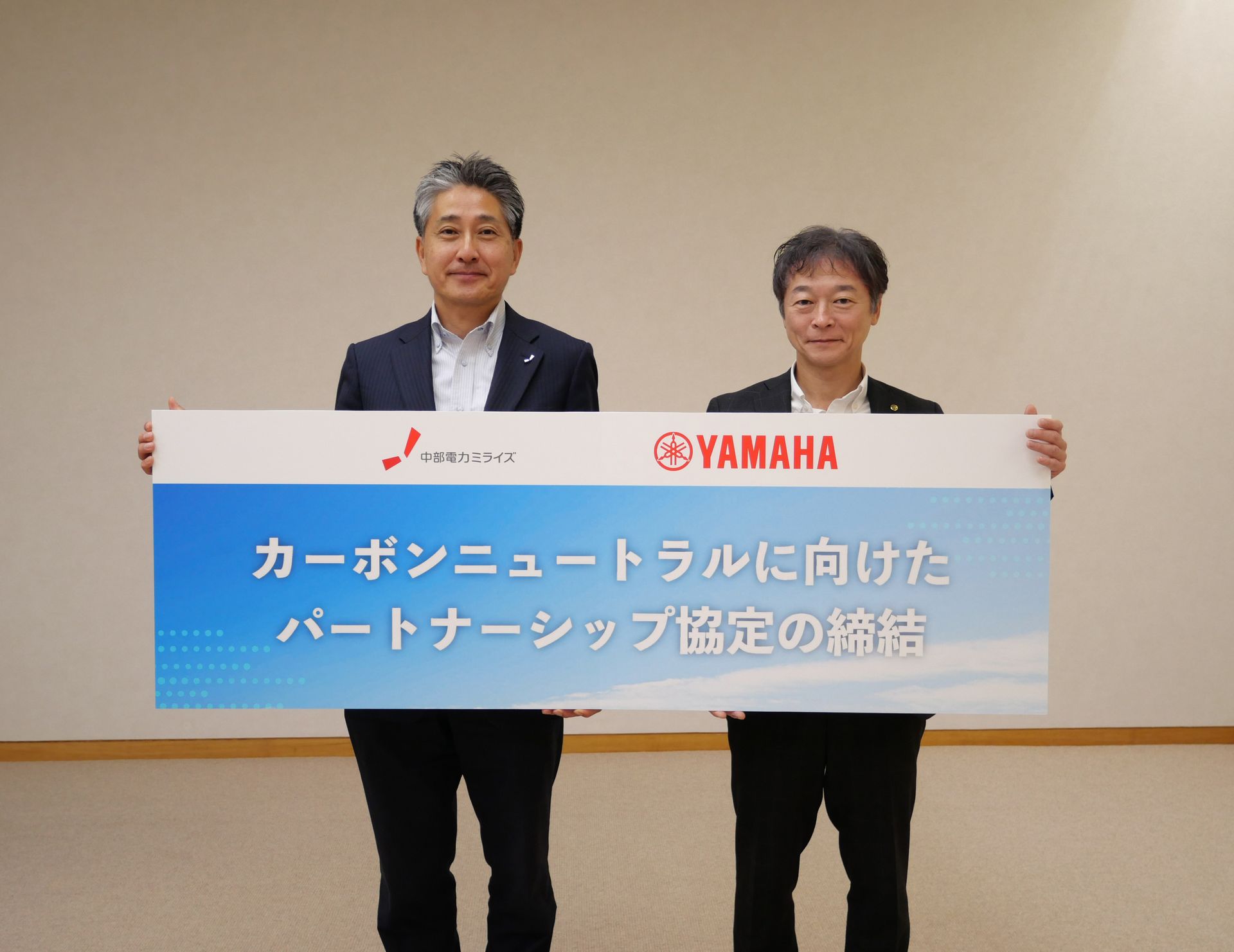
Photo resource: Yamaha Motor
Japan’s hydrogen utilization efforts are entering a new stage of development. Major oil and gas producer INPEX is expected to begin commercial electricity sales generated from hydrogen power as early as June, while Yamaha Motor has partnered with Chubu Electric Power Miraiz to promote hydrogen-based decarbonization in manufacturing and reduce production costs. As supply infrastructure development and demand creation progress simultaneously, momentum toward the realization of a hydrogen-based society is accelerating.
INPEX is developing an integrated hydrogen value chain at its Kashiwazaki Hydrogen Park in Niigata Prefecture, covering hydrogen production, power generation, electricity sales, and carbon capture and storage (CCS). Using domestically produced natural gas as feedstock, the company plans to produce approximately 700 tonnes of hydrogen annually, of which around 600 tonnes will be used for power generation. The facility has a total generation capacity of 1 MW, with electricity supplied to public facilities and other local consumers through regional energy providers.
Carbon dioxide generated during hydrogen production will be injected and stored in a nearby depleted gas field. By utilizing so-called “blue hydrogen,” which is derived from natural gas while significantly reducing emissions through CCS, INPEX aims to establish a localized hydrogen production and consumption model.
On the demand side, Yamaha Motor is accelerating efforts to expand hydrogen applications. The company recently signed a partnership agreement with Chubu Electric Power Miraiz to strengthen initiatives aimed at achieving carbon neutrality by 2035.
Beginning in June 2026, the two companies will launch a joint demonstration project focused on reducing hydrogen production costs. The project will optimize the operation of electrolyzers and battery storage systems based on renewable energy generation and hydrogen demand at manufacturing facilities. By concentrating hydrogen production during periods of surplus renewable electricity, the partners aim to improve efficiency and lower costs.
Yamaha Motor is also advancing the development of technologies that use hydrogen as a fuel for aluminum melting furnaces and heat-treatment furnaces. These high-temperature industrial processes have traditionally relied on fossil fuels such as natural gas, making them a key target for industrial decarbonization.
In addition, the two companies are working to decarbonize the broader supply chain through the Enshu Decarbonization Project in western Shizuoka Prefecture. Under the initiative, surplus electricity generated by solar power facilities owned by three Yamaha Motor suppliers will be supplied to Yamaha Motor starting in 2027. The project is expected to further strengthen renewable energy utilization and support the company’s long-term carbon reduction goals.
The parallel expansion of hydrogen supply infrastructure and industrial demand signals a significant shift in Japan’s hydrogen strategy—from technology development and pilot projects toward practical deployment and commercialization. As both energy producers and manufacturers move forward with concrete implementation plans, hydrogen is increasingly positioned as a key pillar of Japan’s decarbonization roadmap.
Resource: NIKKEI, Yamaha Motor