COP31 Pushes Global Electrification Target of 35% by 2035 Amid Middle East Energy Crisis
2026/11/12
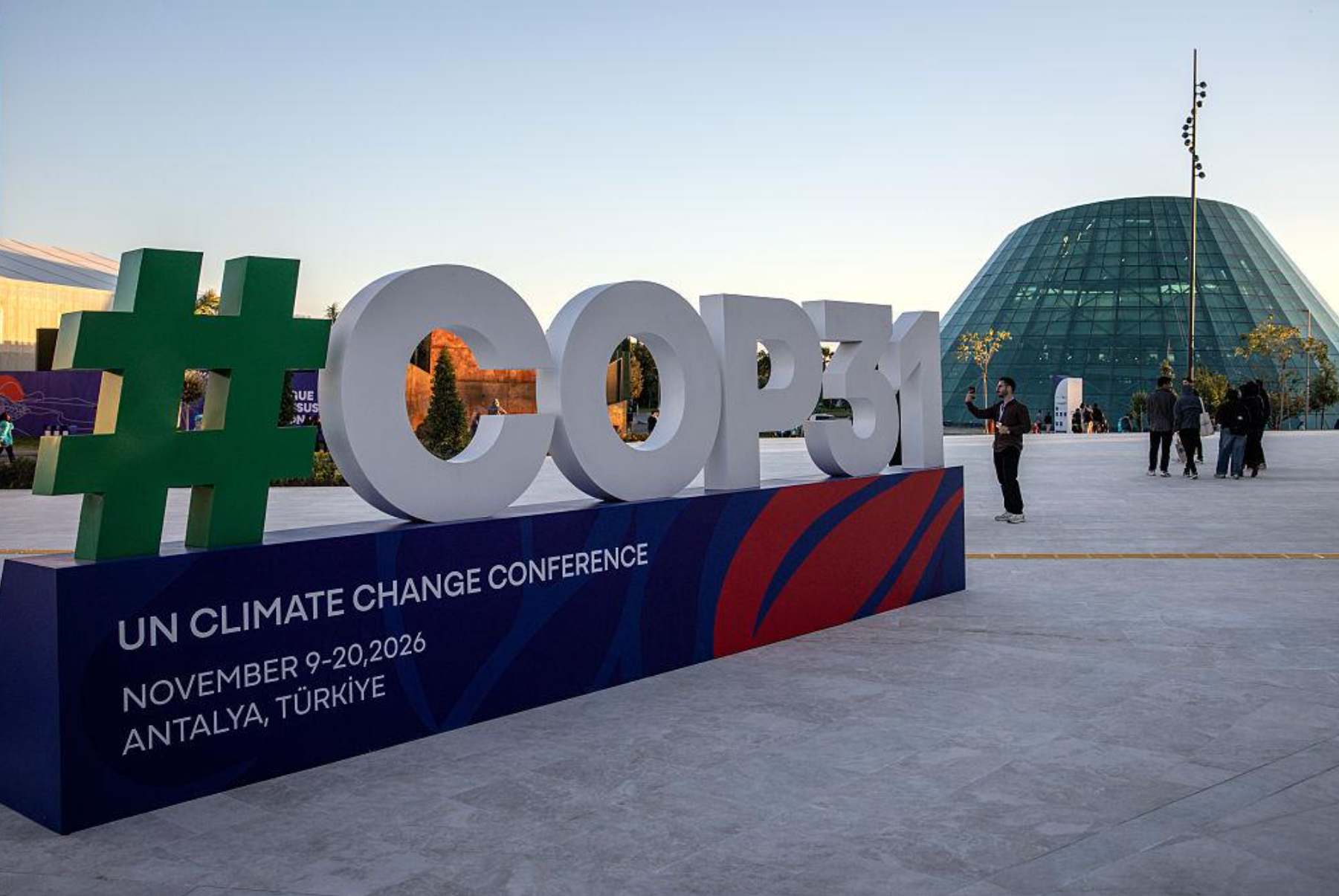
ANTALYA, Turkey — The United Nations COP31 climate summit opened in Turkey on November 9 amid heightened global energy uncertainty, with host Turkey and Australia, which is leading the negotiations, promoting a plan to increase electricity's share of global final energy consumption to 35% by 2035.
The voluntary initiative, known as the "35-by-35 Global Electrification Pledge," aims to raise the global electrification rate from approximately 23% today. The proposal places greater emphasis on electrification as a means of reducing dependence on fossil fuels while strengthening energy security and supporting decarbonization efforts.
The initiative comes as the conflict in the Middle East and disruptions to energy shipments through the Strait of Hormuz expose the vulnerability of countries reliant on imported oil and natural gas. Higher fossil fuel prices have reinforced the economic and security arguments for expanding domestically generated renewable electricity and accelerating the adoption of electric vehicles (EVs) and other electric technologies.
Australian Prime Minister Anthony Albanese said at a COP31 high-level event on November 11 that electrification backed by renewable energy could reduce emissions and strengthen resilience against global energy market shocks.
Achieving the 35% target would require global electrification to advance at more than four times its current pace, according to estimates discussed at COP31. The transition would involve replacing fossil fuel-based technologies with electric alternatives across transportation, buildings and industrial processes.
However, the proposal has raised concerns over whether increased electricity consumption would translate into meaningful emissions reductions. The voluntary pledge does not explicitly require additional electricity demand to be met exclusively through renewable or other low-carbon sources, prompting some countries and climate advocates to call for stronger commitments to clean power generation and a clearer transition away from fossil fuels.
Meanwhile, global electricity demand is expected to face additional pressure from the rapid expansion of artificial intelligence (AI), energy-intensive data centers and rising cooling demand associated with higher temperatures. Meeting this demand while maintaining reliable and affordable electricity supplies will require substantial investment in generation capacity, energy storage, transmission networks and grid modernization.
Beyond renewable energy deployment, advances in battery technology, smart grids and demand-side management are expected to play an increasingly important role in improving power system flexibility. Emerging technologies, including advanced nuclear reactors and AI-driven grid optimization, could also contribute to longer-term energy security.
As COP31 negotiations continue, the challenge for governments will be to ensure that faster electrification is accompanied by cleaner electricity generation and stronger power infrastructure. With energy security increasingly shaping climate policy, investment in reliable, affordable and low-carbon electricity systems is likely to become a central focus of the global energy transition.