Siemens Energy Plans Omterra Rebrand as Wind Business Builds Regional Supply Network for Japan
2026/07/15
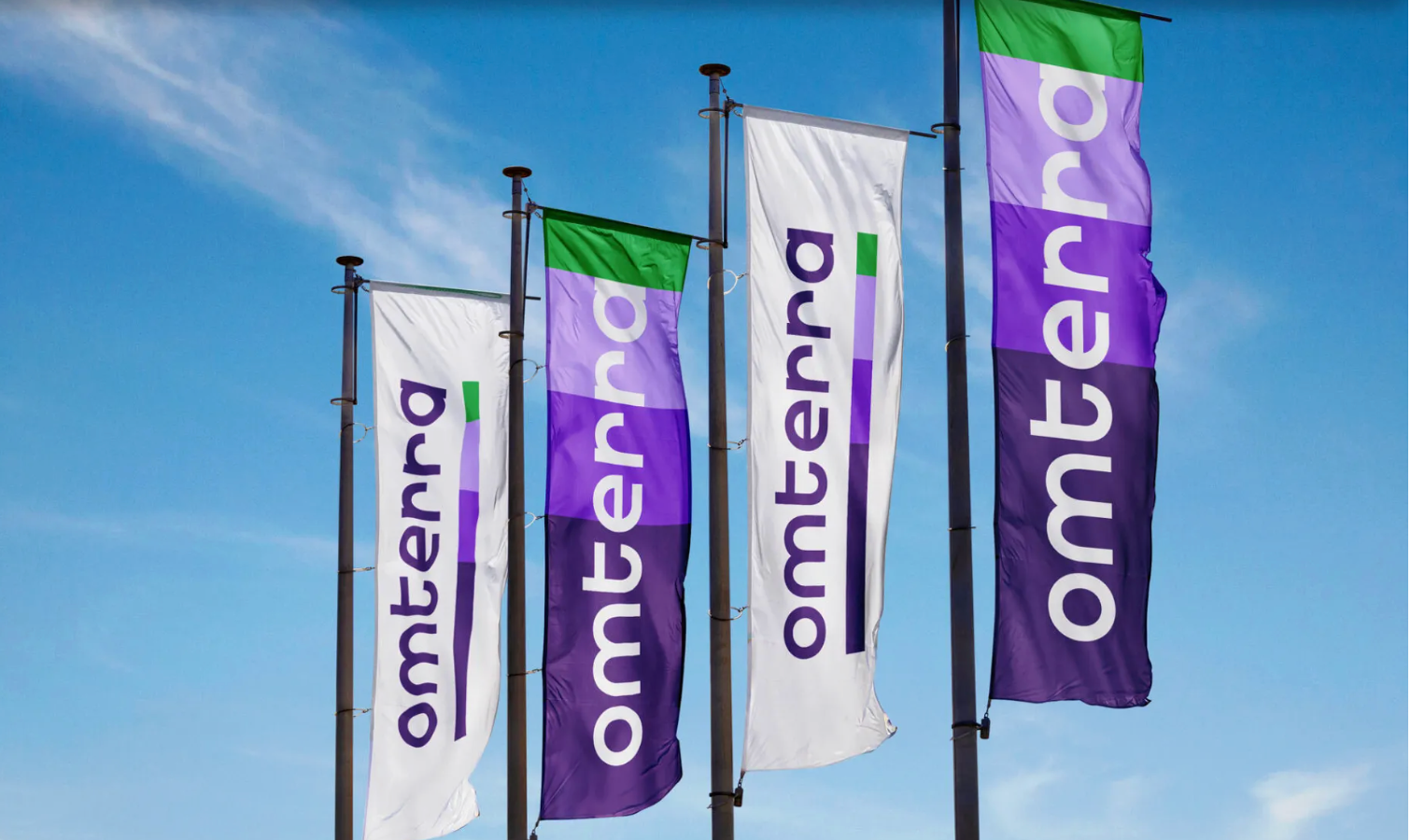
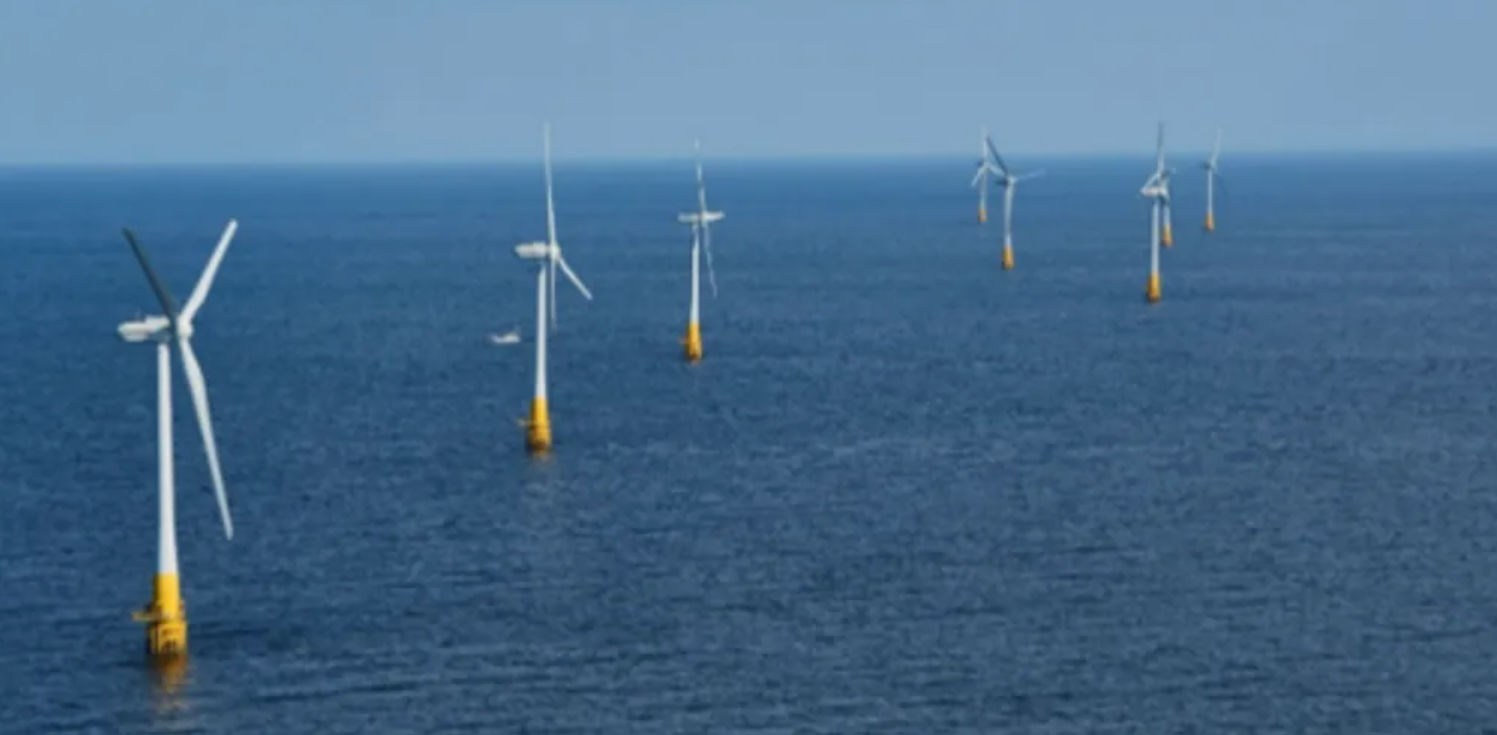
Photo: Siemens Gamesa
Germany’s Siemens Energy plans to bring its businesses, including wind turbine maker Siemens Gamesa, under the new Omterra brand as it prepares to move beyond the Siemens name.
The company announced the move on July 14, with a phased rollout scheduled to begin later in 2026. It said its strategic direction would remain unchanged.
The transition stems from the limited-term licensing agreement governing Siemens Energy’s use of the Siemens brand following its spin-off from Siemens AG in 2020. The company said the new identity would reflect its global reach, technology expertise and role in supporting reliable energy supplies.
The change will also phase out the Siemens Gamesa name, created through the 2017 merger of Siemens Wind Power and Spain’s Gamesa.
Building a Regional Supply Network for Japan
Separately, Siemens Gamesa is strengthening its position in Japan through government cooperation, partnerships with domestic suppliers and a broader Asia-Pacific manufacturing and service network.
In 2025, the company established a framework for public-private collaboration on offshore wind with Japan’s Ministry of Economy, Trade and Industry. The initiative aims to help Japanese companies participate in global supply chains and improve conditions for investment.
Its approach emphasizes partnerships in areas where Japanese suppliers are competitive, rather than the construction of a major new manufacturing facility in Japan. A memorandum of understanding with electronic components manufacturer TDK on permanent magnets for offshore wind turbines forms part of efforts to secure critical components and diversify sourcing.
Siemens Gamesa is also developing its regional network to serve Japan alongside other Asia-Pacific markets.
Its nacelle assembly plant in Taichung, Taiwan, serves as a key manufacturing hub. On the marine logistics side, the company has signed a multiyear agreement with PKR Offshore, a subsidiary of Singapore-based Marco Polo Marine, involving two new hybrid commissioning service operation vessels, or CSOVs.
The vessels are scheduled to begin supporting offshore wind farms in Taiwan in 2029, with flexibility to serve projects in Japan, South Korea and other Asian markets. That arrangement would allow marine assets and personnel to be deployed across markets as project needs evolve.
Looking Beyond Domestic Manufacturing
Japan’s offshore wind market is expected to offer further opportunities through additional project auctions, development in its exclusive economic zone and an emerging framework for floating wind.
Turbine manufacturers are taking different approaches to positioning themselves for that growth. While Vestas is pursuing manufacturing and service capacity in Japan, Siemens Gamesa is combining government cooperation and Japanese sourcing partnerships with infrastructure elsewhere in Asia.
The approach could help the company draw on established regional capacity while expanding its relationships with Japanese suppliers.
The Omterra transition will give Siemens Energy and its wind business a shared global identity. In Japan, however, execution will depend on the strength of its supplier partnerships and its ability to coordinate manufacturing, vessels and personnel across the region.
As offshore wind development expands across Asia, the efficiency of those regional networks could become an increasingly important source of competitive advantage.
Sources:
Siemens Gamesa,
WindTAIWAN